
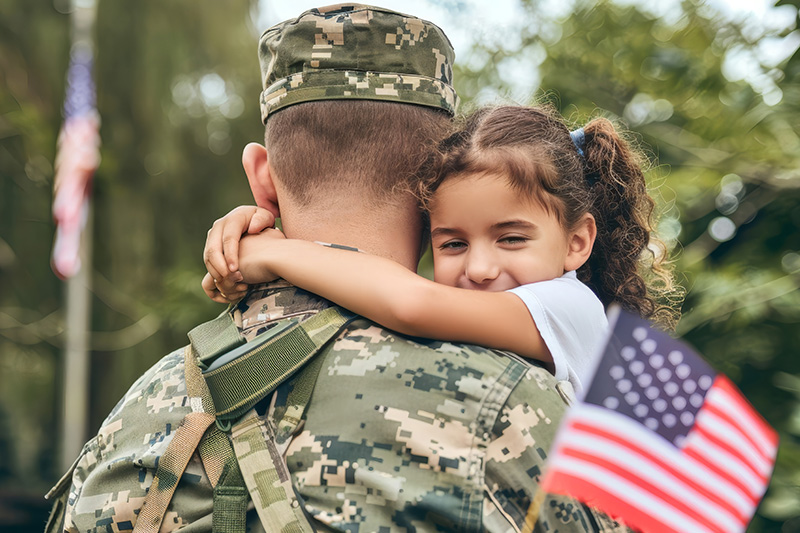
When we think of military service, we often picture uniforms, deployments, and homecomings. What we don’t always see is the lifelong impact that service has—not only on veterans, but on the families who stand beside them through every stage of the journey.
Supporting military veterans and their families isn’t an act of charity. It’s an act of responsibility, gratitude, and shared humanity.
Service Doesn’t End When the Uniform Comes Off
For many veterans, military service shapes who they are long after active duty ends. The transition from military to civilian life can be disorienting and emotionally complex. Veterans may struggle with the loss of structure, purpose, and camaraderie that once defined daily life.
These challenges don’t exist in isolation. Spouses, children, and loved ones often walk the transition alongside them—quietly adapting, supporting, and carrying their own emotional weight.
Without meaningful support, these struggles can feel overwhelming.
The Families Serve Too
Military families live a life defined by uncertainty. Deployments, frequent relocations, missed milestones, and long periods of separation are part of their reality. Spouses often become the emotional anchors of the household, while children learn resilience far earlier than most.
These families rarely ask for recognition. But their sacrifice is real—and it deserves support.
Providing resources, connection, and emotional care helps ensure that families don’t feel forgotten while their loved ones serve or reintegrate into civilian life.
Invisible Wounds Require Visible Care
Not all wounds are physical. Many veterans carry unseen emotional challenges related to service, transition, or identity. When those struggles go unsupported, they can impact relationships, mental health, and overall well-being.
Community-based support—counselling, mentorship, outreach, and simple human connection—can make a powerful difference. Knowing that someone is listening, understanding, and willing to help can be life-changing.
Community Support Builds Stronger Futures
When veterans and military families feel supported, everyone benefits. Families are stronger. Communities become more connected. Veterans are better equipped to thrive, contribute, and lead in civilian life.
Support doesn’t require shared experience. It requires compassion, awareness, and the willingness to show up.
Honoring Service Through Action
Gratitude alone isn’t enough. Honoring service means taking action—creating spaces where veterans and their families feel seen, valued, and supported long after the welcome-home signs are put away.
By supporting veterans and military families, we honor not only their sacrifice, but the values they represent: service, resilience, and commitment to something greater than themselves.
Supporting those who serve—and those who stand behind them—is how we ensure that no one carries the weight of service alone.
1 Comment
Dre
We should all come together to support our military hero’s and the ones who serve at home keeping everything together.